
Chris in the Media
Articles
 Being the smartest person in the room has hidden costs. This piece unpacks why leadership means building the conditions for good answers to surface, not supplying them yourself. Read here.
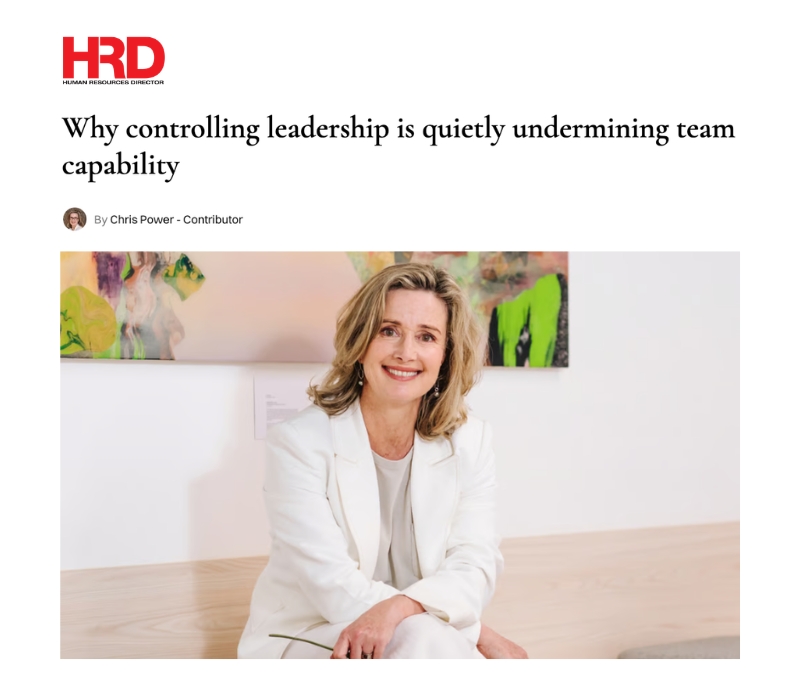 Most leaders don’t see themselves as controlling, but the pattern shows up everywhere under pressure. Why the instinct to take the reins is actively working against the capability uplift businesses need most right now. Read here.
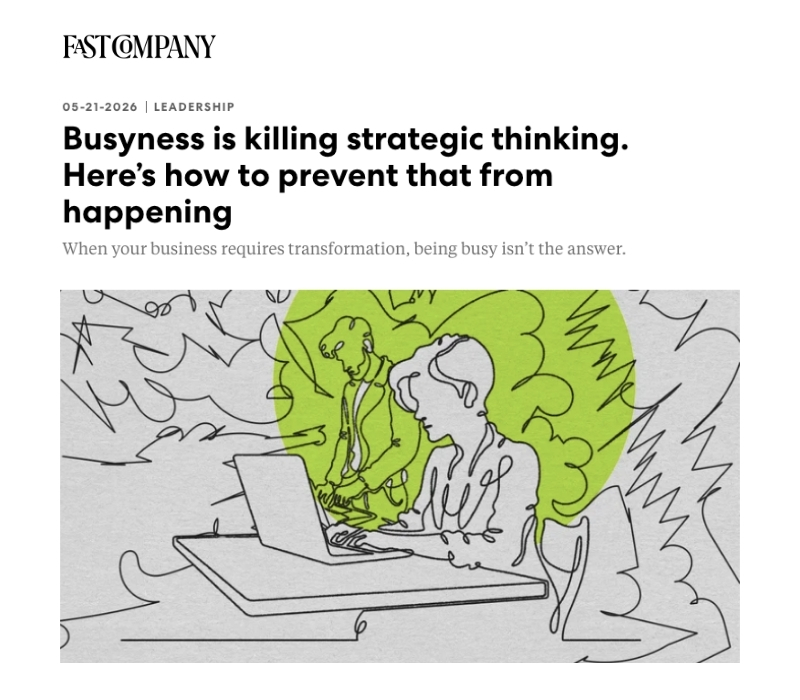 Constant busyness is one of the most common and costly responses to complexity. What’s really driving the pattern and what it takes to lead with intention instead. Read here.
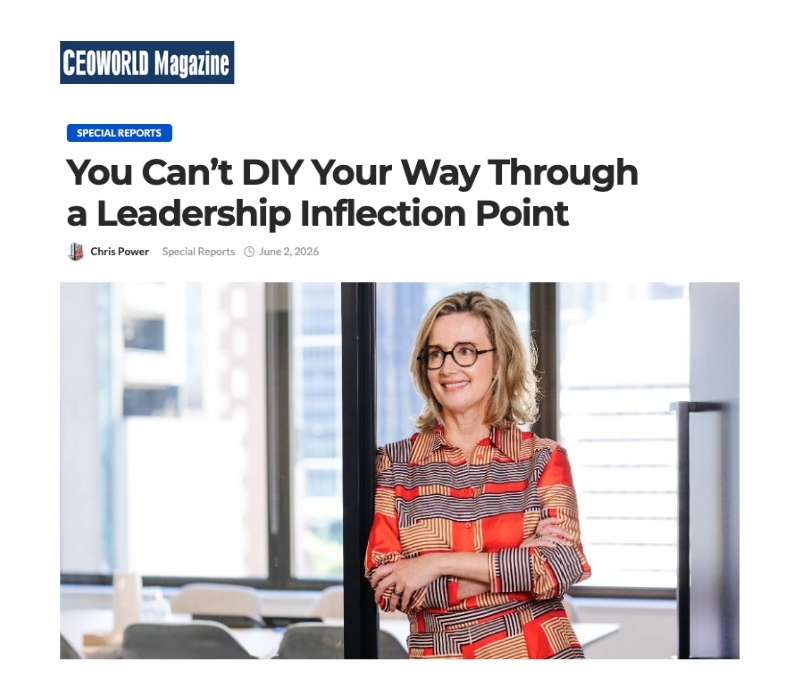 Only 1 in 7 heart patients can change their habits even when their life depends on it. Navigating a leadership inflection point without support is a risk most businesses can’t afford. Read here.
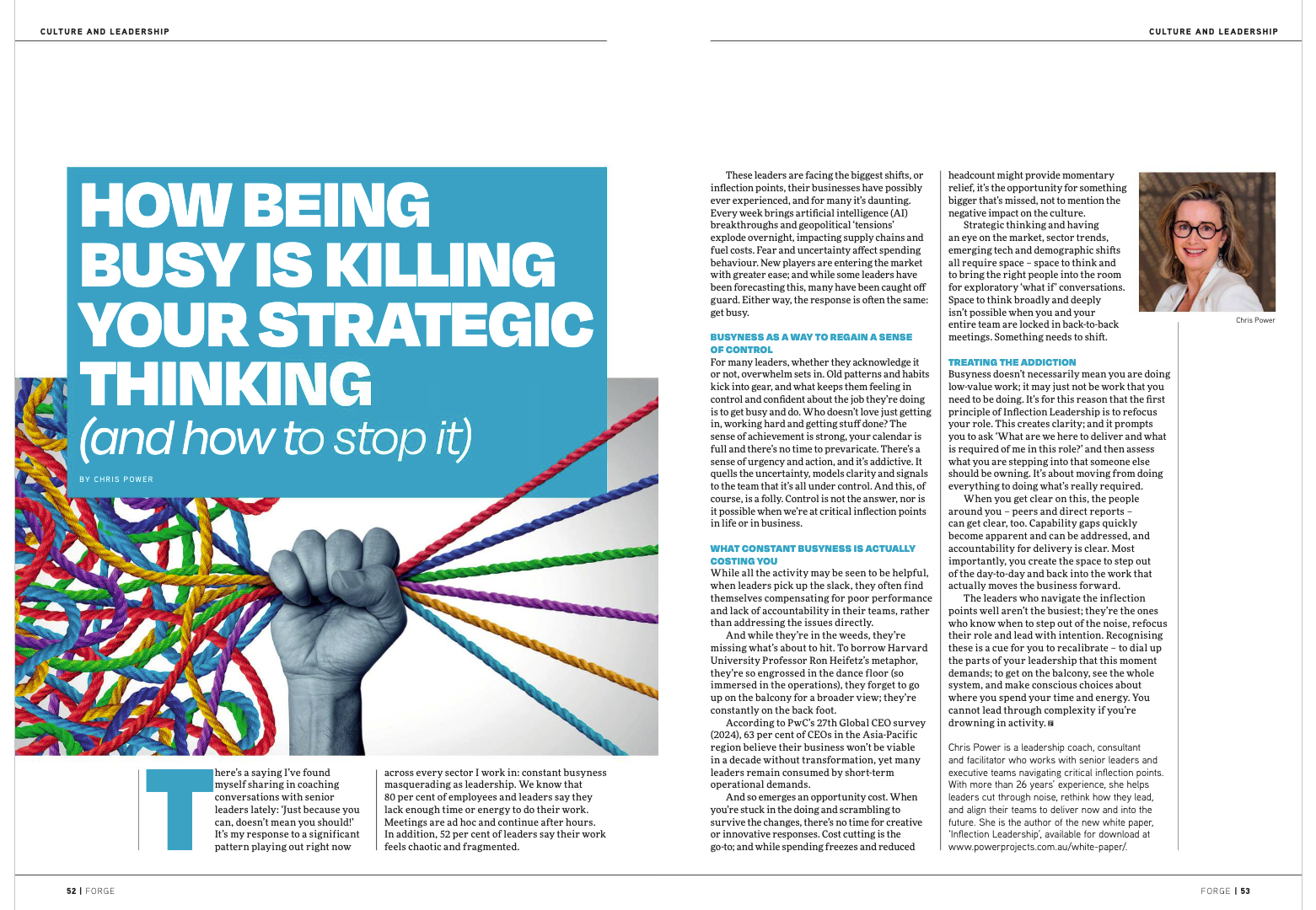 Constant busyness is masquerading as leadership across every sector right now. Why getting busy is the wrong response to complexity, and what refocusing your role actually makes possible. Read here.
 Most leaders are treating today’s inflection points as separate problems to solve one at a time. Why that approach is a folly, and what it takes to lead when multiple inflections are converging at once. Read here.
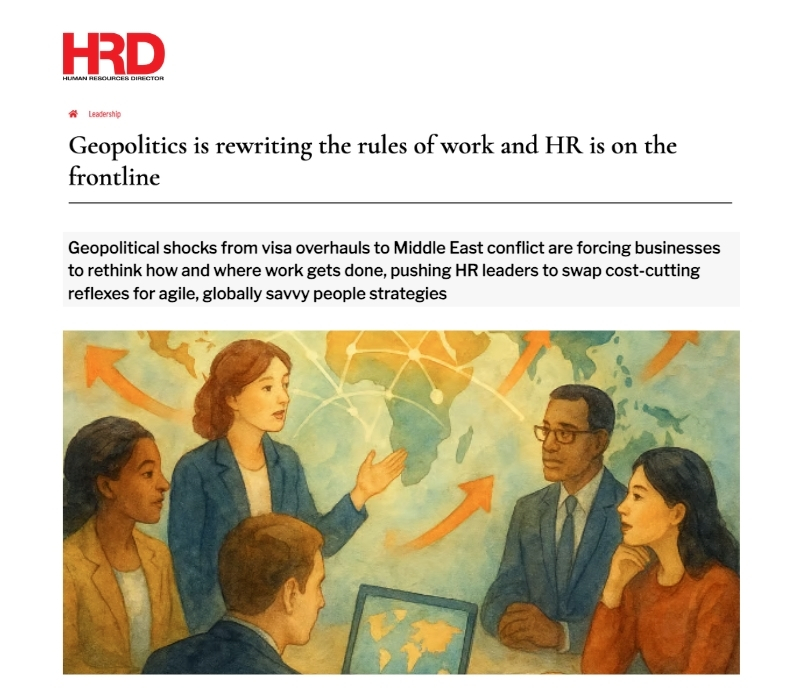 Geopolitical shocks are reshaping talent strategy and leadership expectations overnight. What people leaders need to do differently when there’s no going back to how things were. Read here.
 More than half of CEOs are seeing no revenue or cost benefit from AI investment yet. Why successful AI integration depends far less on the technology and far more on the leadership conditions around it. Read here.
 Only 47% of employees strongly agree they know what’s expected of them at work. Accountability ranks as a top leadership competency and the lowest rated. What’s driving the gap and how to close it. Read here.
 Under pressure, most leaders expect accountability to tighten. What’s actually happening is the opposite. Why accountability is quietly being engineered out of organisations, and what it takes to rebuild it. Read here.
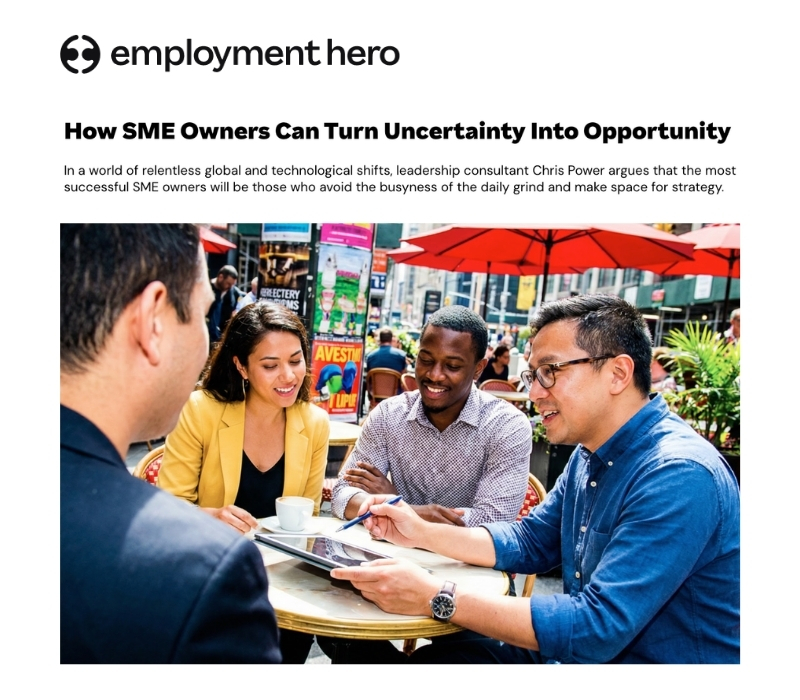 Smaller businesses have something big corporates don’t: agility. How to step back, get on the balcony, and lead through uncertainty in a way that opens doors. Read here.
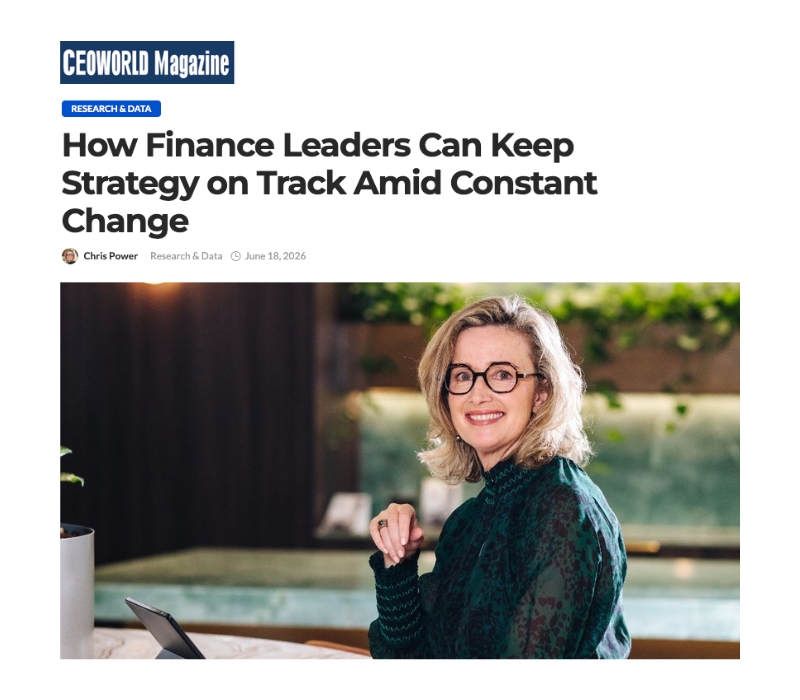 When the horizon keeps moving, the temptation is to double down on control and short-term wins. Why the finance leader’s real role right now is to be the person in the room who holds the strategic line. Read here.
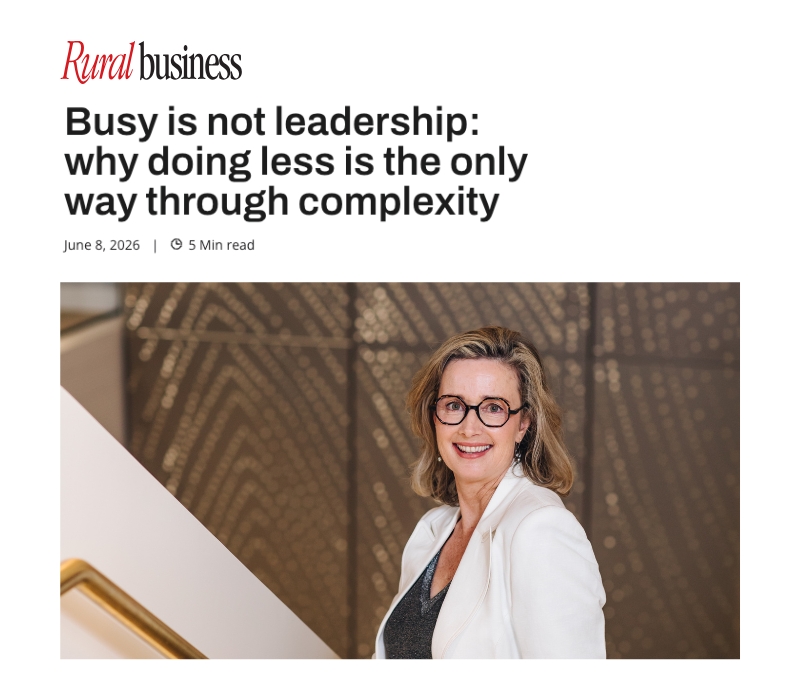 When complexity hits, the instinct is to get busy. But for leaders in agriculture and rural business, being stuck in the doing is exactly what’s standing between you and the opportunity this moment presents. Read here.
 You cannot lead through complexity if you’re drowning in activity. Why busyness masquerades as leadership under pressure, and how getting clear on your role changes everything. Read here.
Podcasts
 The biggest threat to your business may already be unfolding. A conversation about the warning signs and how to get on the front foot before it’s too late. Listen here.
 Hope isn’t soft. Gallup research shows it’s one of the core things people need from their leaders. A conversation about inflection points and what the leaders who come through them stronger actually do. Listen here.
 A live radio conversation about navigating the biggest inflection points most of us have ever experienced. Why the instinct to take control and get busy is the wrong response, and what leaders at every level should be doing instead. Listen here.
 AI disruption, geopolitical tension and what kind of leadership this moment actually demands. A conversation about why business is at a major inflection point and what Inflection Leadership looks like in practice. Listen here.
 What does it actually mean to navigate an inflection point well, rather than just survive it? A wide-ranging conversation covering the difference between resilience and inflection leadership, AI as an enabler, and why the moments that feel most destabilising hold the most opportunity. Listen here.
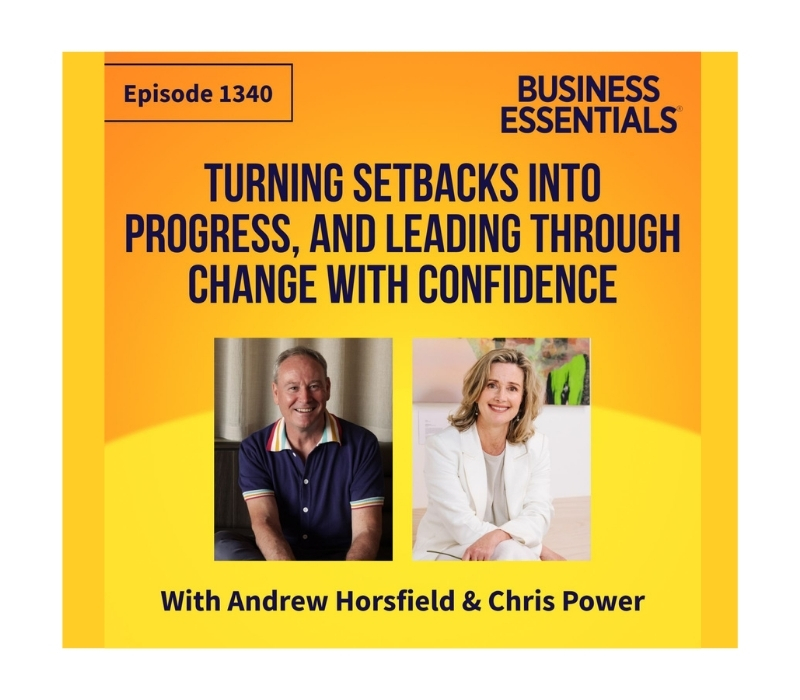 What does it take to lead through one of the biggest inflection points in history, where should a leadership team actually start, and what gets missed when organisations jump straight to readying the business? Listen here.